


Airbnb
4.5103.14K Reviews
App Specs
- Version
- 26.42
- Updated On
- License
- Free
- Downloads
- 100,000,000+
- Developer
- Airbnb
- Categories
- Travel & Local
- Platform
- Android, iOS
Screenshots

 Analysis by AppCompare
My first week with Airbnb was all about possibility: I could compare a cabin, an apartment, and a room in the same search rather than beginning with a standard hotel list. That variety is the app’s immediate pull. The more useful question, though, is whether it earns space on my phone once the excitement of browsing wears off. For me, it does when I travel often enough to value different kinds of stays, but it is not automatically the best choice for every trip.
First-week appeal: a wider way to search
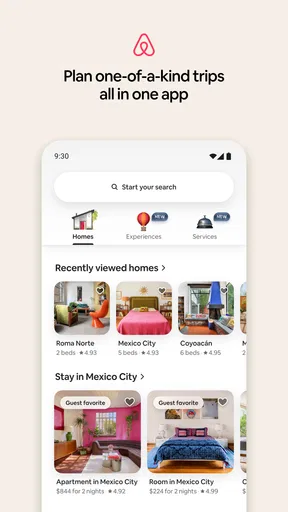
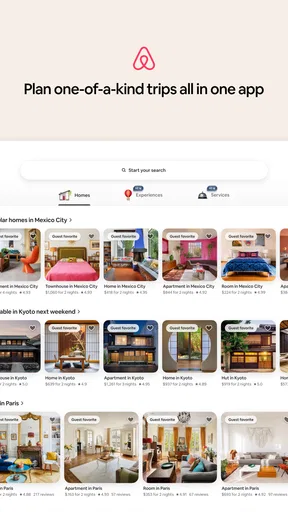
As a travel and local app from Airbnb, it brings homes, experiences, and services into a redesigned mobile experience. The initial search is easy to understand: enter a destination and dates, then narrow the results to suit the trip. In practice, that broad range is most helpful when I have a clear need—such as a kitchen, room for a group, or a quieter neighborhood—rather than when I am simply scrolling without a plan.
The filters are useful, but I treat them as a first pass, not a guarantee that a listing will match every preference. I check the listing details and guest reviews before getting attached to a photo. A nice-looking place can still be the wrong fit if its location, layout, or house rules do not work for my plans. My small habit is to decide which needs are essential and which are merely nice to have before filtering; it keeps the shortlist from becoming a collection of attractive but impractical options.
Guides and Analysis on Airbnb
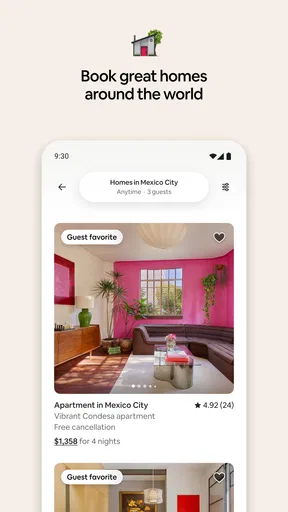
A realistic use is planning a long weekend with friends. I can look for a whole home and compare options around the group’s priorities, then use the reviews and listing information to judge whether the setup suits everyone. That is a different task from finding a bed for one night: shared space and the way people will use it matter as much as the destination. For a solo overnight stop, a conventional hotel search may be quicker and easier to compare.
Month-to-month value: useful beyond the booking
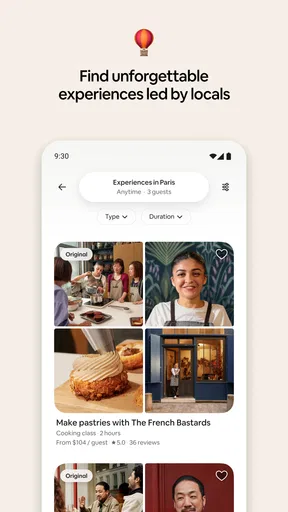
The app has more staying power for me when it serves several parts of a trip instead of just the initial accommodation hunt. Experiences can help me consider activities through a local perspective, while services broaden the kinds of things I can explore in the same app. I would still decide whether an activity fits my schedule and budget on its own merits; having it appear beside lodging does not make it the right choice automatically.
One non-obvious advantage of browsing homes is being able to think about the rhythm of a stay, not only its nightly appearance. For a family or a longer visit, a kitchen or a shared living area may change the daily routine more than a stylish bedroom does. I compare those practical details with the location and the group’s plans. If everyone expects to spend most of the day out, paying attention to the home’s everyday conveniences may matter less than choosing a place that makes getting around easy.
That is where the app can become a recurring planning tool rather than a novelty. On a return trip, I already know to start with the constraints that affected the last one: how much time we spent at the accommodation, what kind of space we actually used, and whether the location worked. I do not need to save every possibility or browse endlessly. A focused search is more valuable than treating a large catalogue as entertainment.
Worth Reading Before You Choose

Baby Panda World Brings Quick Play to Modern Phones, but Its Game Library Feels Busy

ESPN’s Live Game View Makes Following Close Games Easier

QuizzLand Review: A Good Fit for Short Trivia Breaks, Not Every Player

Basketball Stars: Multiplayer Is Fast, but Can It Recover When Matches Go Wrong?

WEBTOON Turns Phone Updates Into a Better Reading Routine

Link to Windows Runs on Shared Habits, Not Social Feeds
Discovering Your Next Stay
One of the first things I noticed about the app is how intuitive it is. The search function is super easy to use. Just type in your destination, set your dates, and voila! You’re met with a plethora of options ranging from cozy cabins in the woods to swanky city apartments. It’s like having the world at your fingertips.
But what really caught my attention was the range of filters available. Want a pet-friendly spot? Need a pool? Or maybe you’re looking for a place with a killer view? Just tick the boxes that apply, and the app does the rest. It’s like having a personal travel agent, minus the hefty fees.
Unique Experiences
You know that feeling when you stumble upon something totally unique? That’s what Airbnb offers with its Experiences feature. Whether you’re into cooking classes, historical tours, or even yoga with goats (yes, that’s a thing!), there’s an experience waiting for you. I personally loved the idea of exploring a new city through the eyes of a local.
And for those who are a bit more adventurous, there are even more off-the-beaten-path options. Imagine taking a pottery class with a local artisan or hiking with a guide who knows all the secret spots. These experiences add a whole new layer to travel.
The Booking Process
Booking on Airbnb is a breeze. Once you find your ideal spot, you can check out reviews from previous guests, which I found super helpful. It’s always nice to know what others thought about the place before committing.
Payment is straightforward, and they offer secure options, which is a big plus. You can even communicate directly with the host if you have any questions or special requests. It’s a very user-friendly process, making it accessible even for those who aren’t tech-savvy.
Staying Connected
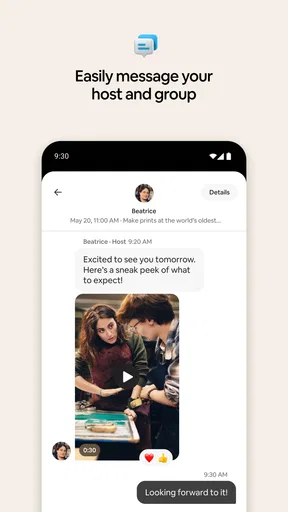
One aspect I really appreciated was the host interaction. Most hosts are incredibly welcoming and eager to make your stay memorable. After booking, you often receive a warm welcome message, which adds a personal touch to the whole experience. It’s not just about finding a place to crash; it’s about feeling at home.
Plus, the app keeps all your bookings and communications organized, so you don’t have to sift through endless emails. Everything you need is right there, making travel planning less of a headache.
Keeping the app useful without making it a chore
That convenience does not mean every trip becomes effortless. Comparing individual homes can take more attention than comparing standard hotel rooms, because the details that matter vary from one listing to another. I read recent guest comments for practical clues, then confirm the essentials in the listing itself. Reviews are a useful second perspective, not a substitute for checking whether the arrangement suits my needs.
Messaging a host can also be valuable when a detail could affect the stay. I would ask a focused question before booking rather than assume a photo or a short description answers it. This is especially worthwhile for group trips, when a small mismatch can become a shared inconvenience. The trade-off is that a home stay may involve more individual coordination than a hotel booking, where expectations and services are usually more standardized.
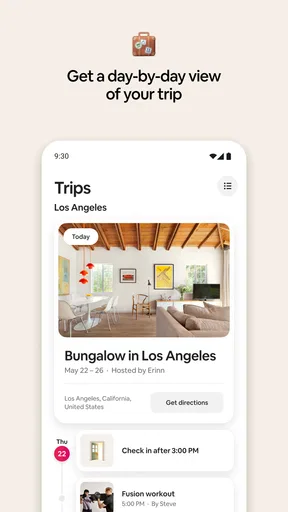
For an ordinary travel day, I like having the booking and host conversation together instead of hunting through separate email threads. Before leaving, I would open the trip details and review the information I need for arrival, then keep the conversation available if plans change. That simple routine makes the app more useful than opening it only during the initial search. I still keep the important travel details in mind rather than assuming an app will remove the need to plan.
Who benefits, and when another option makes sense
I see the strongest fit for people who need more than a conventional room: families who want shared space, friends coordinating a group stay, or travelers who prefer the character and layout of a home. It can also suit someone who enjoys building a trip around local activities instead of choosing accommodation and sightseeing in entirely separate stages. Airbnb is free to download, is rated for Everyone, and has an average rating of 4.4 from around 1.8 million ratings, with over 100 million installs. Those figures suggest broad use, but they do not tell me whether a particular listing will suit a particular trip.
I would lean toward a hotel or another familiar booking option when consistency and a fast, straightforward overnight stay matter more than having a distinctive space. That can be the sensible call for a late arrival, a brief stop between journeys, or a trip where I do not want to compare house details and communicate with a host. Airbnb’s breadth is an advantage when choice is useful; when I want the simplest possible decision, the same breadth can slow me down.
There is also a difference between browsing a place and knowing how it will feel to stay there. Photos can help me imagine the space, but I use the description, location details, and guest feedback to test that impression. I pay particular attention to trade-offs: a home that looks appealing may not be convenient for a packed itinerary, while a practical option may be a better match even if it is less memorable. That check is one of the habits that keeps the search grounded.
Maintenance, fatigue, and the lasting verdict
Airbnb does not demand much maintenance as an app, but it can ask for attention during planning. The meaningful work is deciding what matters, comparing the relevant details, and keeping track of the conversation and reservation. I find that manageable when I have a real trip to plan. If I am not traveling, repeated browsing has little practical value, and I would rather leave the app alone than turn trip planning into a daily habit for its own sake.
The main source of fatigue is choice. A large set of homes and experiences can make it tempting to keep searching after I already have a suitable option. I set a short list of priorities, check the candidates against them, and stop when one meets the requirements. That approach also helps me avoid choosing based only on a striking image or an appealing-sounding activity. The app works best as a tool for a decision, not as a promise that more browsing will always uncover a better one.
The current version, 25.50.1, runs on Android 9 and later. Airbnb has been available since January 17, 2012, and its continued usefulness is less about being new than about whether its mix of stays, experiences, and services matches the way I travel. For someone who books varied trips, that combination can justify keeping it installed; for an occasional traveler who always chooses the same kind of accommodation, a simpler alternative may be enough.
In the end, Airbnb offers a fantastic way to see the world through a different lens. It’s more than just a booking platform; it’s a community that connects travelers with locals, creating unforgettable memories along the way. So, next time you’re planning a trip, why not give it a try? Who knows, you might just find your new favorite spot!
Pros
- User-friendly interface for easy booking.
- Wide range of unique accommodations.
- Detailed property descriptions and reviews.
- Flexible cancellation policies available.
- 24/7 customer support for assistance.
Cons
- Service fees can be quite high.
- Some properties have misleading photos.
- Inconsistent WiFi availability in listings.
- Limited customer service in certain areas.
- Cancellation policies vary by host.
FAQs for Airbnb
What is Airbnb and how does it work?
Airbnb is a platform that connects travelers with hosts offering unique accommodations around the world. Users can browse listings, read reviews, and book stays directly through the app. Hosts list their properties, providing descriptions, photos, and pricing to attract potential guests. The app facilitates secure communication and payment between both parties.
Is Airbnb safe to use for both hosts and guests?
Airbnb implements several safety measures, including secure payment systems, user reviews, and identity verification. Both hosts and guests can read and leave reviews, promoting transparency. However, users should always communicate through the app, verify property details, and read reviews carefully to ensure a safe experience.
What are the fees associated with booking on Airbnb?
Airbnb charges a service fee to guests, typically ranging between 14-20% of the booking subtotal. Hosts also pay a service fee, usually around 3% of the subtotal. These fees cover customer support and platform maintenance. Exact fees can vary based on factors like location and booking details.
How does Airbnb handle cancellations and refunds?
Airbnb's cancellation policies vary by host and are clearly outlined in each listing. Policies range from flexible to strict, affecting potential refunds. Guests can view and agree to the policy before booking. In certain circumstances, Airbnb’s Extenuating Circumstances Policy may provide additional protections.
Can I list my property on Airbnb, and what are the requirements?
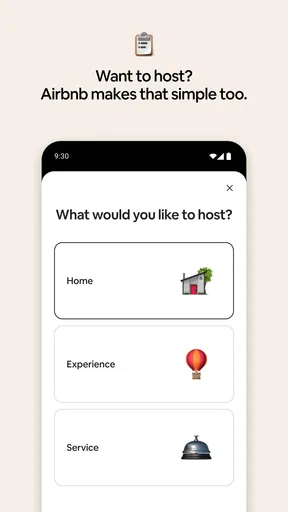
Yes, you can list your property on Airbnb. Hosts need to provide a detailed description, photos, and set pricing for their space. They must comply with local laws and regulations, which may include obtaining necessary permits or licenses. Airbnb also requires hosts to adhere to community standards and safety guidelines.


